

Deepening
Going deeper rather than getting better

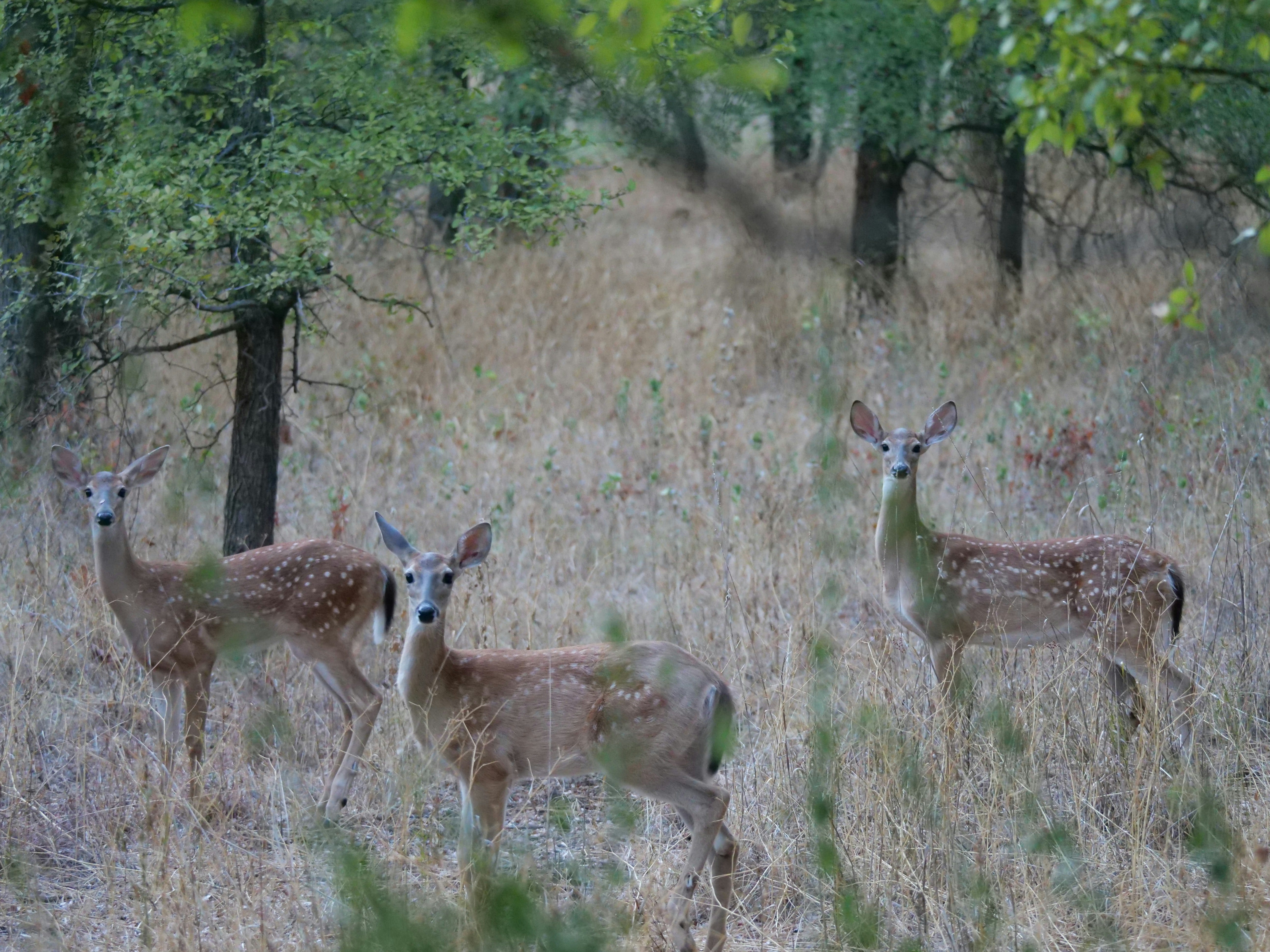
Photo by Richard R on Unsplash
This post runs long. Your email may cut it off. Click the title above to open in your browser.
I was walking away from the rally at the capitol in Montgomery after King’s speech, twenty years old, a pack on my back, trying to find my way to the Greyhound station to catch an overnight bus back to my Chicago college. A man jumped out of his parked cab and pushed me to the ground. He started kicking and yelling at me. I rolled into a ball and covered my head with my arms, imitating what I had seen nonviolent protesters do on television.
I peeked through my hands. The kicking continued, methodical, working from my feet toward my covered head. He was smiling, not angry at all. Other men, taxi drivers too, gathered to watch and laugh.
I looked out toward the street. A cop sat on a motorcycle, watching. I started to yell for help. He held my eyes for a moment, making sure I saw him. Then he revved his engine and sped off.
I settled back to receive whatever would happen. The kicking went on. I had a deepening sense that I was suddenly very much alive.
On and In
This is the kind of experience I want to talk about. We’ve all had them. Most aren’t that dramatic, and many of mine have been so quiet I can’t even find words for them. The category has no agreed name. Until a better word arrives, I’ll use deepening.
We spend most of our lives living on the world. We manage it and keep our footing on it. The self we inhabit on the world is the self that has things to do. That self is necessary to cope with the challenges we face day after day. But sometimes something loosens and we are no longer on the world but in it.
Psychologists have studied something adjacent to deepenings for seventy years in what they call “peak experience”. Maslow described moments of joy, unity, and the dissolution of the self. Deepenings are different. In a deepening the self does not dissolve. I remained myself on the Montgomery sidewalk. A deepening doesn’t change who you are. It changes where you are. No longer on but now inside the world.
You don’t drop inside on purpose. Something loosens and you are there. You don’t reach deepenings; they reach you. You do not deepen. You are deepened.
San Marcos Pass
A bee stung the back of my right thumb one summer morning in San Marcos Pass above Santa Barbara. I was alone, naked, sunning myself after swimming in San Jose Creek near my rented trailer. I felt the jab of pain and looked down to see the bee fly away.
I was soon back on my favorite rock, after rubbing my thumb against stones in the creek to scrape the stinger off. The pain had spread across the whole thumb, but I was not going to let it ruin the morning. Then I saw the bee flying back. It landed on the rock close in front of me.
It settled, kneeling on its four front legs first, then the back pair. It slowly folded its wings against its sides, then used first one back leg and then the other to clean itself. Legs first, then wings, then its hairy back. Last came the antennae. The cleaning seemed a ritual of some kind, something I wasn’t supposed to see.
The ritual got slower. I understood the bee was closing down. Then there was only stillness. Its eyes stayed open. The pain in my thumb still throbbed, but it felt like the bee.
Testimony
Most of the self-help practices I’ve tried weren’t useless. They were useless as fixes, but while I was using them my life felt a little deeper and more significant. I thought I was doing something that mattered, and that was enough to change the texture of my feelings in those moments. The deepening was real. The fix was not, for a self cannot be fixed.
Deepening is not a better fix. It is not a fix at all. Fixing is real and sometimes needed. My back needed a physical therapist. My eyes needed new lenses. My heart needed a stent. Fixing is what we do when something is broken and can be repaired. Deepening is something else. It is an experience, not a result. It does not solve anything.
We have so many words for fixing (therapy, treatment, intervention, optimization), and almost no words for what happens when the bee dies on the rock and the morning is suddenly different than it was before.
A deepening is a change of position more than a change of feeling. I have deepened into grief and not felt better. I have deepened into pain I could not fix and not felt better. The throb in my thumb after the bee died did not lessen. What changed was the world in which my thumb was throbbing.
Sometimes what opens is the world before you. Sometimes it is an idea about that world. The shift from on to in is the same.
A prescribed deepening would be self-help by another name. I am not offering a method. I am offering testimony. Deepenings do not fix. They do not even improve.
Robots in the Rain
Deepenings arrive with varying intensity, from a mild recognition to an overwhelming devastation like that following the death of a child. We may remember them for decades, as I did that Montgomery beating, or forget them within a day which, by definition, I can’t give you an example of now.
Deepenings rise up on their own but we can choose activities where they are more likely to arrive. Travel to unfamiliar places can spark a deepening. So can drugs and meditation. Some self-improvement practices encourage deepenings. People keep doing them even though they seldom get the help promised, in part because a deepening sometimes arrives instead.
I’ve been researching and writing since high school because these activities can bring deepenings for me. As I work, I feel as if I’m seeking to solve an important mystery. Sometimes I’m immersed in something like the feeling I had watching the bee die beside San Jose Creek.
My first book (with Hugh Mehan), published fifty years ago, developed a sociological theory to explain these shifts. This Substack, started less than a year ago, has sparked a few deepenings for me too. One came a few weeks ago as I was trying to figure out why human consciousness arose.
Scientists don’t know. It seems like we could’ve just as easily evolved to do most of what we do without any awareness. We keep our heart beating and our digestion operating without thinking. We could probably find our way to making babies and to talking without any awareness.
Many of my posts have danced around the question of why we are conscious, as do most researchers and writers about the human mind. I skirted the question still as I started working on a series of posts about how AI now makes culture alongside us. Machine-made songs, films, and conversations are becoming indistinguishable from ours. Soon humanoid robots will likely be indistinguishable, too.
This prospect was agitating me one night as I walked after dinner trying to reach my daily 7000 steps. I was carrying a small umbrella that I kept popping open to shield me from a kona squall that’d been hanging around Honolulu for weeks. I was feeling pissy because of the rain, but even more because of the thought that in a few decades my neighbors would be out walking with their robots as they now walk their dogs.
The fucking robots won’t worry about getting wet, I thought. And they won’t keep trying one self-help fix after another. Or keep reading spiritual book after book looking for the one best bit of wisdom to guide their lives.
A new deluge caught me before I could pop the umbrella open again. Warm rain soaked my chest. I understood why humans had developed consciousness and why it is so hard to quiet. I saw what our minds do for us, and what an AI’s intelligence could never do.
The rain kept coming and I kept going, and the pissiness that had driven me into the thought was what the thought had revealed. I wanted to say it out loud to no one. A piece of the world had opened and drawn me within. This was the reason to have a mind.
At home, still wet, I went straight to my notebook. This deepening demanded to be on the page now.
Vulnerable
What I had discovered was this. Consciousness exists because we are vulnerable. Mortality, hunger, and attachment are not the conditions under which a mind happens to find itself. They are the conditions that produce minds in the first place. A creature with nothing to gain or lose would have no reason to remember and no reason to anticipate. It would not need a mind.
This is why we mostly live on the world rather than in it. Being on the world gives rise to a vulnerable mind that is continually scanning and defending. We are able to drop inside this world sometimes because we are made of the same stuff as the world. But most of the time we’re just too busy on the surface making sure we stay alive.
Still, sometimes the defense rests. The vigilance loosens. We drop inside reality from our usual place on it. On the world, other beings are objects in our path. Inside it, they are co-inhabitants. There, the deepened mind needn’t worry about what it might lose.
A deepening reveals a feature of reality, ordinarily obscured. The morning before at the rock and the morning after the bee sting were the same morning. The kinship I felt was already so. The deepening did not make it true. It made it felt.
A deepening is not a means to an end. The deepening is the end.
Elk Ridge
We had driven straight up 101 from her parents’ house near Santa Rosa to the Humboldt County mountains. Now it was too dark to find our friends’ dome hidden in the woods off an old logging road where I’d been only once before. We used our flashlight to find an opening in the trees flat enough to lie down on, zipped our sleeping bags together, and stretched out on the hard ground.
The night was cold and foggy. We cuddled and complained and struggled to stay warm. In the morning, in bags soaked with dew, we made love. When I opened my eyes, three deer stood close by, watching. Their breath was so near it almost mingled with ours.
The closest one held my eyes. We are animals together, sharing grass, she said. Then she led the others into the trees.
We lay there a long time, more inside the world than on it.
Endnote: AI has nothing for it to drop from and nowhere for it to drop into. The next post asks what we may gain and lose when we live alongside such minds.
This is so beautifully written. It sparked something in me but I can't say what it was. But I will say Thank You! It hurt my heart to hear what you went through on the protest. I wish I could say that things have changed. :(